

Photo: 雷太, Wikimedia Commons (CC BY 2.0). Musashi-Mitake Shrine on Mount Mitake, August 7, 2016.

Mount Mitake Day Trip from Tokyo: Cable Car, Musashi-Mitake Shrine, Rock Garden, and Access
A practical English guide to Mount Mitake (御岳山, 929 m) in Okutama, western Tokyo. Covers JR access from Shinjuku via Ome, the Nishi Tokyo Bus to Takimoto, Mitake Tozan Railway cable-car fares and hours, Musashi-Mitake Shrine, the Rock Garden waterfall circuit, and an optional note on extending toward Odake.
This guide is based on official pages from Mitake Tozan Railway (including the timetable and fares and English overview), the Tokyo Metropolitan Government nature-park access page for Mitake and Hinode, JNTO’s Mt. Mitake hiking page, Ome City tourism, and the Ome Tourism Association Rock Garden page (information as of October 2026). Fares, timetables, and trail conditions can change. Confirm the linked pages before you go.
Mount Mitake (御岳山, Mitakesan) rises to 929 m in Ōme City, in Tokyo’s western Okutama mountains inside Chichibu-Tama-Kai National Park. It is a classic sacred-mountain day trip after Mt. Takao: a cable car takes you onto a high village ridge, Musashi-Mitake Shrine (武蔵御嶽神社) sits near the summit, and a mossy stream path called the Rock Garden (ロックガーデン) links waterfalls on the far side of the plateau.
This article follows a traveler’s order: quick answers → trains and bus from central Tokyo → cable car → shrine plateau → Rock Garden → optional Odake note → crowds, toilets, rules → sources.
Quick answers
| Question | Short answer (verify on official pages) |
|---|---|
| How high is the mountain? | 929 m (JNTO; Mitake Tozan Railway English page) |
| Easiest way up? | JR to Mitake Station (御嶽駅) → Nishi Tokyo Bus to Cable-shita / Takimoto → Mitake Tozan cable car to Mitakesan Station (御岳山駅) |
| Cable-car ride | About 6 minutes; Takimoto 407.6 m → Mitakesan 831.0 m (Mitake Tozan Railway) |
| Adult cable-car fare (as posted Oct 11, 2026) | 700 yen one way / 1,400 yen return; child 350 / 700 yen (timetable & fares) |
| Regular operating window cited by Ome City | Roughly 7:30–18:30, cars leave both ends at the same times (Ome City course page); always re-check the operator |
| Best “first visit” walk | Village path to the shrine, then the Rock Garden circuit past Nanayo Falls (七代の滝) and Ayahiro Falls (綾広の滝) |
| Who is this for? | Beginners who want a sacred-mountain day with shops and toilets; stronger hikers can skip the cable car or continue toward Odake (大岳山) |
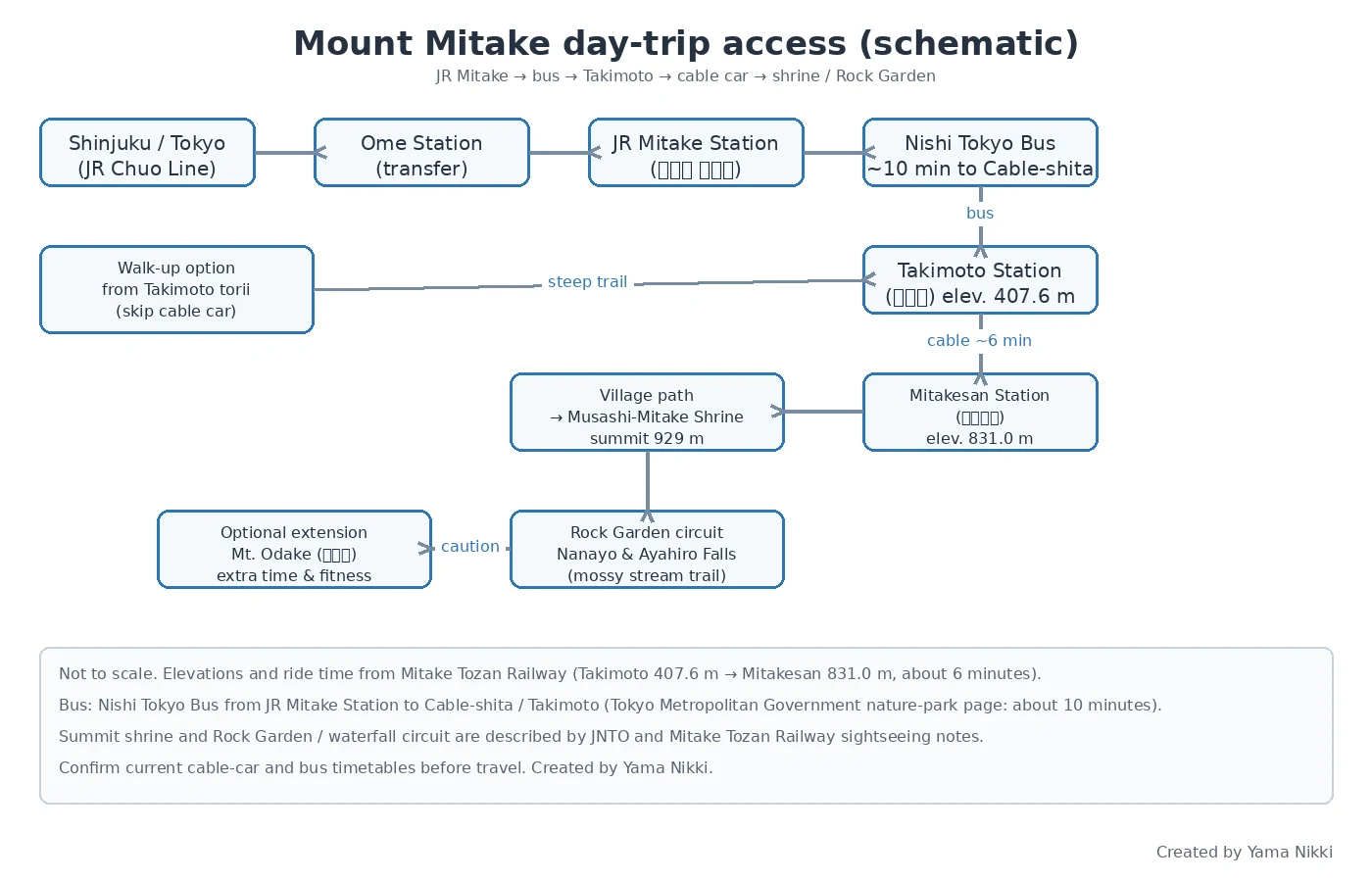
How to get there from Shinjuku / Tokyo
Rail: Chuo Line → Ome → JR Mitake
JNTO’s access summary and the Tokyo Metropolitan Government nature-park page describe the same spine:
- From JR Shinjuku Station, take the JR Chuo Line toward Ome (青梅).
- At Ome Station, transfer to the JR Ome Line for Mitake Station (御嶽駅) — the station name uses the characters 御嶽, while the mountain is usually written 御岳山.
- From Mitake Station, take a Nishi Tokyo Bus bound for the cable-car stop.
The TMG English page says the bus from JR Mitake Station takes about 10 minutes to the last stop, Cable Shita Takimoto Station, which is the start of the trail and the cable-car base (Mitake & Hinode access).
Nishi Tokyo Bus lists Mitake Station stop 1 for routes 御10 and 御11 toward Cable-shita (ケーブル下). Check the operator’s timetable / fare tools for the day’s times and the exact fare before you travel — we are not inventing a yen amount here.
Ome City’s course page adds that after leaving the bus you walk a short distance to Takimoto Station (滝本駅) of the cable car (the city page describes about 5 minutes on foot from the bus stop).
Japan Rail Pass / IC cards
JR segments are ordinary JR East lines. Whether a pass covers your ride depends on your ticket product; check JR East’s current pass rules. Local buses and the cable car are separate tickets.
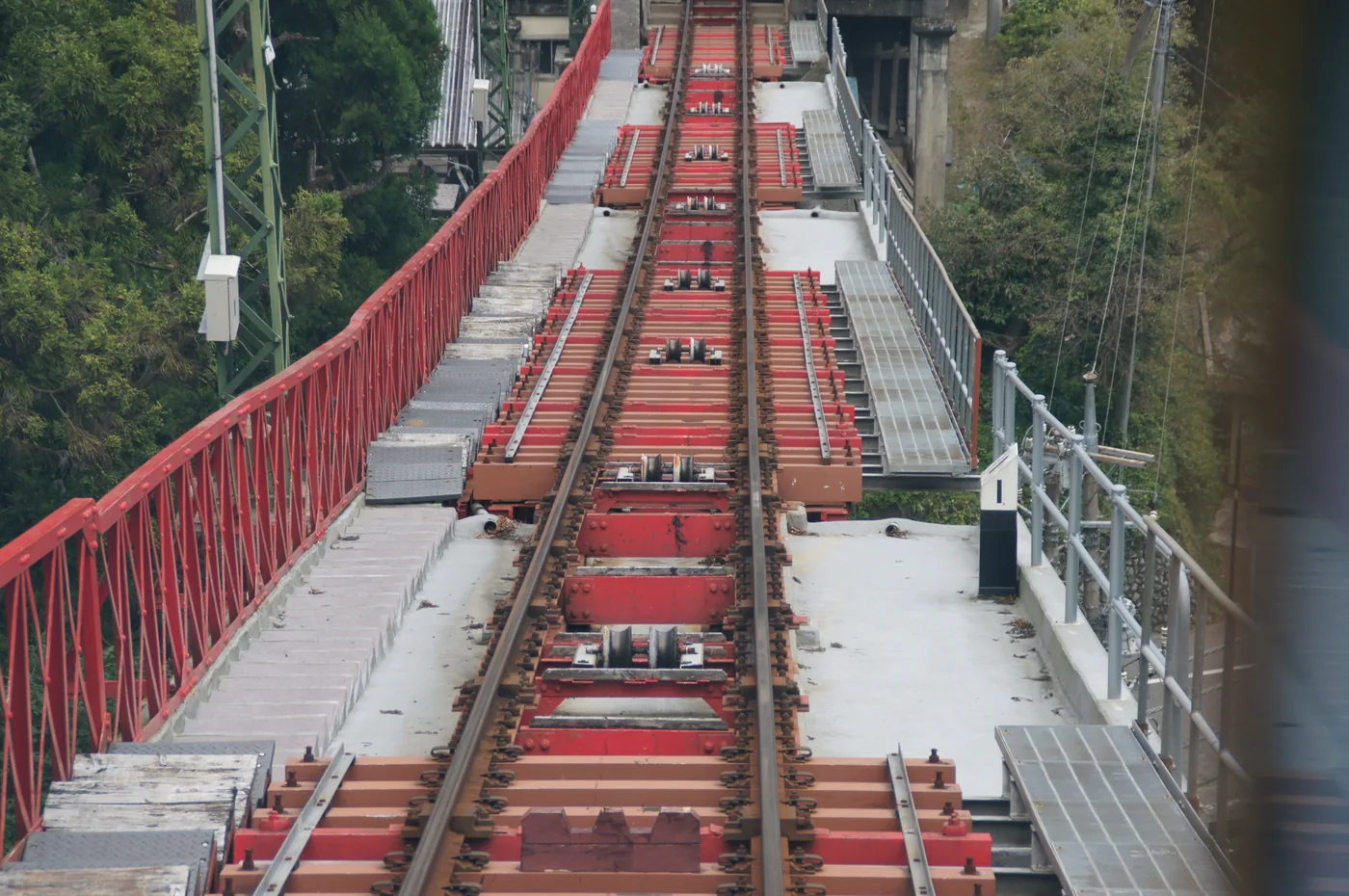

Cable car: fares, hours, and what the ride does
Fares (verify on the day)
Mitake Tozan Railway’s timetable and fares page, checked October 11, 2026, posts:
| Adult | Child | |
|---|---|---|
| One way | 700 yen | 350 yen |
| Return | 1,400 yen | 700 yen |
Notes from the same page:
- A one-way ticket is valid on the day of purchase.
- A return ticket is valid for one round trip within two days.
- Discounted fares apply when eligible passengers present the appropriate disability handbook at the ticket window.
- IC cards can be used at the ticket gate one card per person; ticket machines and shop registers are also available per the operator’s notice.
The operator’s English page lists the same adult/child cable-car amounts and adds that the line climbs from Takimoto (407.6 m) to Mitakesan (831.0 m) in about 6 minutes.
Hours and frequency
Ome City’s published Mitake course states that cable cars run between about 7:30 and 18:30, departing Takimoto and Mitakesan at the same times, with no closed day listed on that page (Ome City). Mitake Tozan’s Japanese timetable page notes that weekday and weekend/holiday schedules both use simultaneous departures and that the ride takes about six minutes; the posted timetable edition label on the page should be re-checked before travel (timetable).
Extra cars may run when it is busy. For the current day’s first/last car and any temporary suspension, use the operator’s top page notices: mitaketozan.co.jp.
Walking up instead
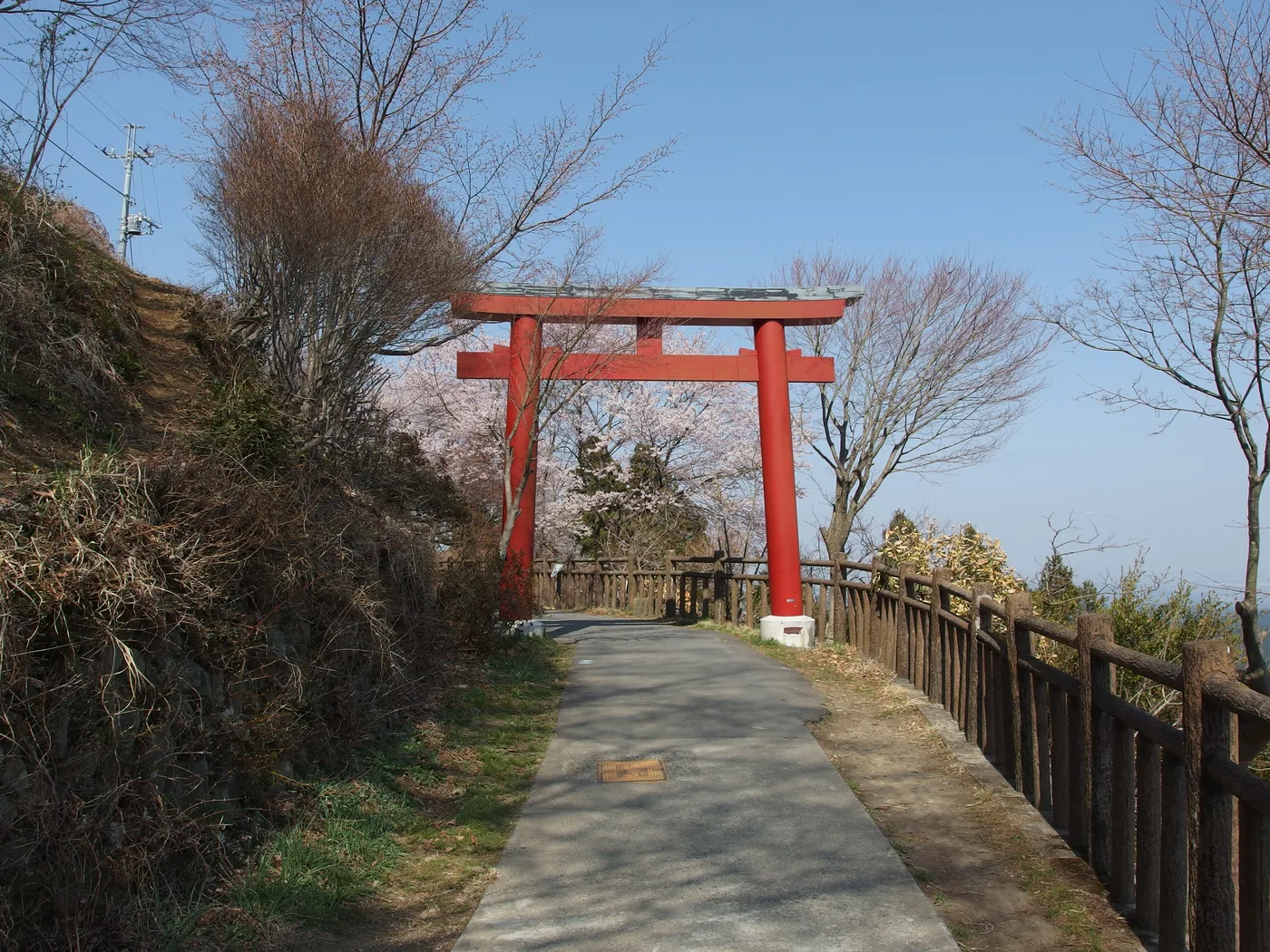
The TMG access page notes that the foot trail entrance is in front of Takimoto Station: walk toward the torii and small bridge if you climb without the cable car. This is steeper and longer than riding; allow more time and daylight.

Musashi-Mitake Shrine and the summit plateau
From Mitakesan Station, paths lead into a mountain village of inns, tea houses, and souvenir shops that have long served pilgrims. Ome City’s course description says:
- Mitake Visitor Center (御岳ビジターセンター) is about a 10-minute walk from the cable-car station (free entry; the city page lists hours 9:00–16:30, closed Mondays except when Monday is a holiday, in which case it closes the next day).
- Musashi-Mitake Shrine is about a 25-minute walk from Mitakesan Station on that same itinerary, including a long stone stairway (the city page mentions 368 steps to the shrine precinct).
The shrine’s summit elevation matches the mountain’s 929 m. Mitake Tozan’s English heritage note and Ome City both describe a long mountain-worship history and the enshrinement of Ōguchi Magami (大口真神), popularly associated with wolf/dog guardianship — which is why you will often see visitors with dogs on the mountain. Pets on the cable car require a pet fare and manners rules published by the railway (English pet section).
Ome City lists shrine precinct hours roughly 9:00–16:00 (treasure hall from 9:30) on its course page; treat those as a planning hint and confirm on site if you need the treasure hall.
A short spur leads to open viewpoints such as Nagao-daira (長尾平) — Ome City places it about 40 minutes from Mitakesan Station on its sample course and notes wide views toward Hinode and, in clear weather, toward the Tokyo skyline.
Rock Garden and waterfall circuit
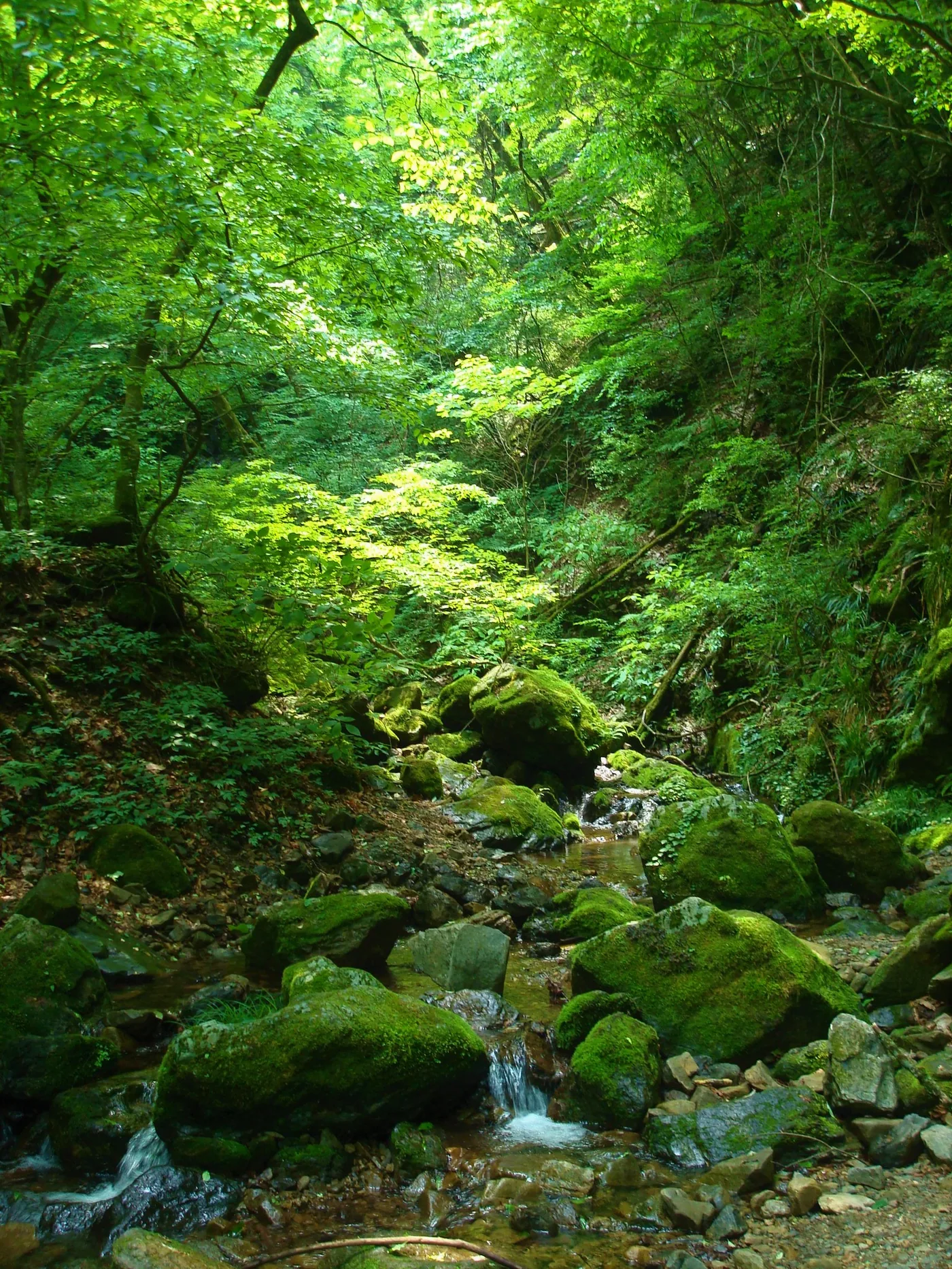
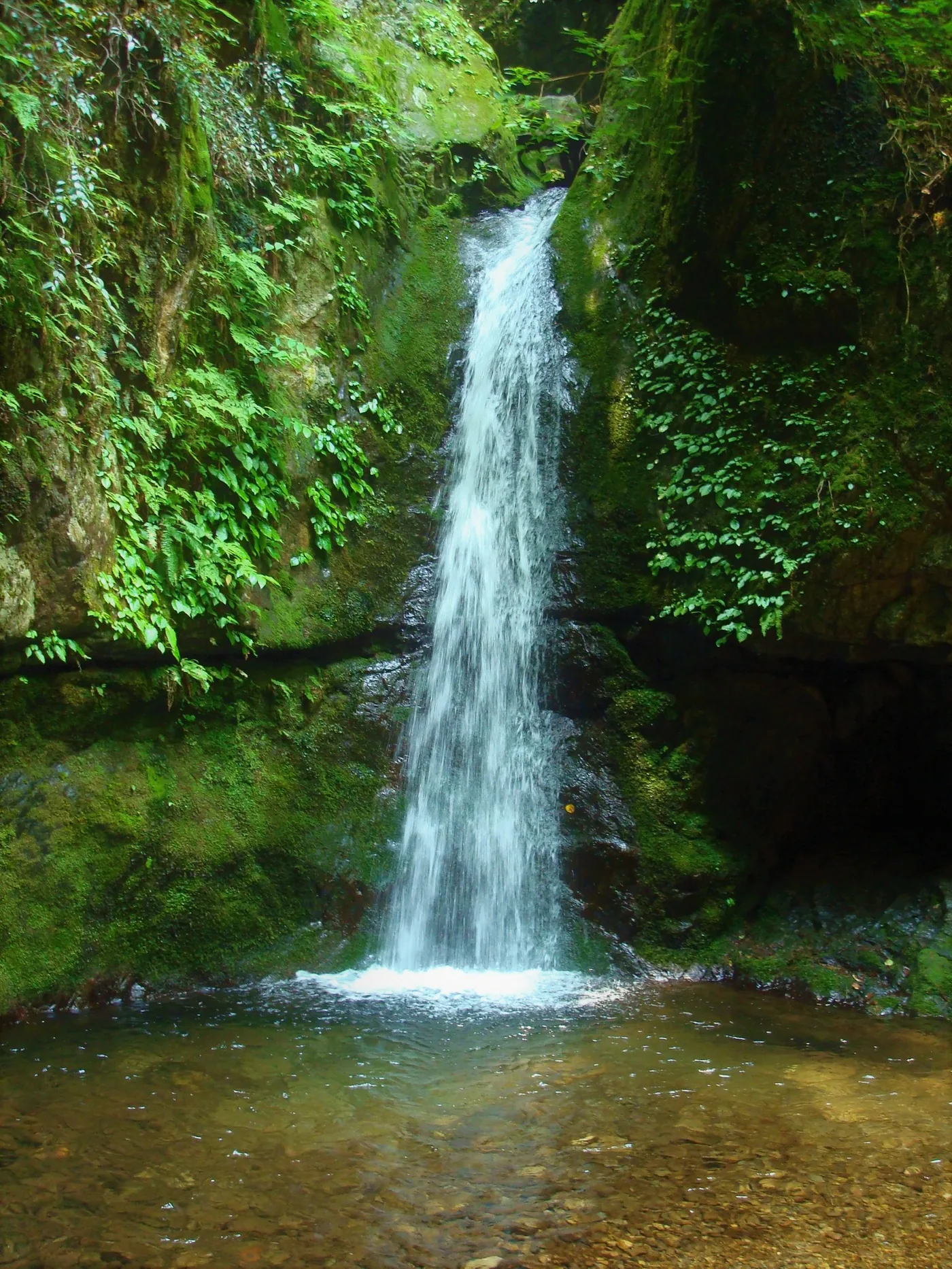
JNTO highlights the Rock Garden, Nanayo Falls, and Ayahiro Falls as the signature nature walk once you are on the mountain (JNTO Mt. Mitake). The Ome Tourism Association describes the Rock Garden as the stretch of about 1.5 km from Tengu-iwa (天狗岩) to Ayahiro Falls, where mossy rocks and a clear stream form the most popular beginner-friendly hike on Mitake (Rock Garden spot page). That page estimates about 3 hours round-trip walking from Mitakesan Station for the Rock Garden outing (cable car not included in that walking figure).
JNTO’s reference course labeled “Cable Car and Rock Garden Circuit” lists roughly 3.5 hours, 7.8 km horizontal distance, 91 m elevation gain, and highest point 929 m — useful as an order-of-magnitude plan, not a guarantee of your pace.
Ome City’s published sample day (cable car at 9:30, back to Mitakesan Station by 15:00) visits the visitor center, shrine, Nagao-daira, Nanayo Falls, Tengu-iwa, Ayahiro Falls, and Tengu’s resting cedar before returning to the cable car. Use it as a sequence of stops, not as a promise that every landmark will take the same clock time for you.
Practical notes drawn from those official descriptions:
- The Rock Garden section is streamside and rocky; shoes with grip matter more here than on the paved village street.
- After heavy rain, keep clear of swollen pools at Nanayo Falls — Ome City warns not to approach when water is high.
- Build in time to reach Mitakesan Station before the last cable car (see the operator’s timetable; Ome City cites a last-car window around 18:30).


Optional extension: Odake (大岳山) — read this before you go
Trails continue from the Mitake plateau toward Mt. Odake (大岳山) and Mt. Hinode (日の出山). JNTO mentions both as onward options. The TMG page says Mt. Hinode is approximately a 70-minute walk from the cable-car station.
Odake is a longer, harder day than the shrine + Rock Garden loop: more elevation, more time above the village, and less margin before the last cable car and last bus. If you are new to Okutama, finish the Rock Garden circuit first. Confirm trail closures and weather on the day (visitor center, Ome tourism, and local notices). Do not treat Odake as a casual add-on after a late start.
Crowds, seasons, and what to expect
Mitake is popular on weekends, national holidays, Golden Week, and autumn foliage weekends. Cable-car queues at Takimoto can grow in peak hours; starting earlier improves your odds of a quieter shrine visit and more daylight for the Rock Garden.
Seasonal highlights are often described by tourism pages as spring greenery, hydrangeas and deep moss in the rainy season, summer shade along the stream, and autumn color on the cable-car slopes — but flower timing shifts every year, so treat “peak bloom” claims on blogs as unverified unless an official calendar is posted.
Winter can be quieter, but ice on stone stairs and Rock Garden rocks is a real hazard; only go if you have appropriate footwear and check conditions.
Compared with nearby day trips already covered on this English site:
- Mt. Takao day trip from Tokyo — closer to Shinjuku, denser crowds, different cable-car operator.
- Mt. Daibosatsu day hike from Tokyo — longer approach and a bigger climb without a village on the summit.
A Japanese-language Mitake overview on this site (useful for kanji place names and season notes): 御岳山登山ガイド.
Toilets, trash, and trail manners
Facilities cluster around Takimoto, Mitakesan Station, the visitor center, and the shrine / village area. The Rock Garden itself is nature trail — do not expect frequent toilets once you drop into the stream valley.
Carry out all trash. Stay on marked paths through moss and stream banks. For general Japan hiking etiquette and wildlife awareness, see:
Suggested day shape (flexible)
- Leave Shinjuku early enough to reach Takimoto with margin before late-morning crowds.
- Ride the cable car to Mitakesan; stop at the visitor center for maps and condition updates.
- Walk to Musashi-Mitake Shrine (and Nagao-daira if visibility is good).
- Continue into the Rock Garden toward Nanayo Falls and Ayahiro Falls.
- Return to Mitakesan Station with comfortable time before the last cable car, then bus and JR home.
If rain is heavy or the Rock Garden is closed or flooded, keep the day to the village and shrine only.
References
- Mitake Tozan Railway — timetable & fares
- Mitake Tozan Railway — English overview
- Mitake Tozan Railway — top page / notices
- Tokyo Metropolitan Government — Accessing Mitake and Hinode
- JNTO — Mt. Mitake
- Ome City — Mitake trekking sample course
- Ome Tourism Association — Rock Garden
- Nishi Tokyo Bus — Mitake Station stops
- Nishi Tokyo Bus — timetable & fare search