

Photo by Yama-Nikki
Why You Need a Quick-Drying Base Layer for Hiking: Preventing Sweat Chill and Why Heattech Falls Short
Why do hikers get chilled even in warm weather? Learn how sweat chill (ase-bie) happens, why everyday thermal innerwear like Uniqlo Heattech is risky on mountain trails, and how to choose synthetic, merino wool, and water-repellent mesh base layers.
Have you ever worked up a heavy sweat on a steep climb, only to start shivering the moment you stop for lunch on a breezy ridge?
In Japanese mountaineering, this rapid drop in body temperature caused by lingering sweat is called ase-bie (汗冷え, sweat chill). In the mountains, sweat chill is not just uncomfortable—it is one of the primary triggers of hypothermia, even outside winter.
The single most important piece of clothing for preventing sweat chill is the base layer (quick-drying innerwear) worn directly against your skin. No matter how expensive your waterproof outer shell or fleece mid-layer is, wearing a moisture-holding cotton T-shirt or everyday rayon thermal top underneath will trap cold water against your core.
This guide explains the mechanics of sweat chill, why everyday thermal innerwear like Uniqlo Heattech is unsuitable for active mountain climbs, and how to choose between synthetic fibers, merino wool, and dedicated water-repellent skin layers.
Why a Quick-Drying Base Layer Matters: The Danger of Sweat Chill
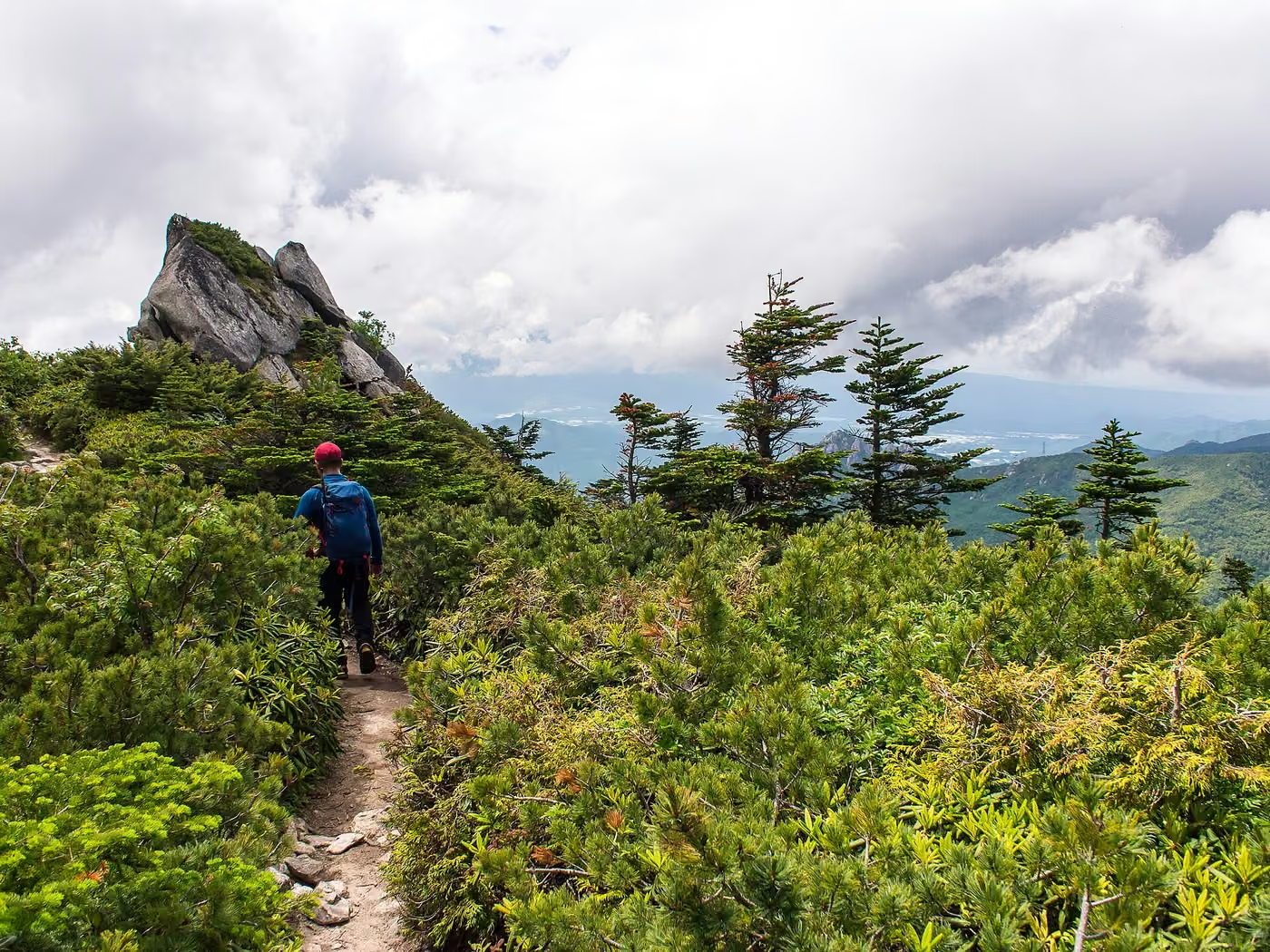
How Sweat Chill Happens
- You sweat during the climb: Carrying a pack uphill generates far more heat and sweat than walking on flat ground.
- Moisture stays in your shirt: If your inner layer absorbs sweat slowly to dry, a film of water remains against your skin.
- Evaporative cooling and conductive heat loss: When you stop moving or step onto a windy ridge, evaporating moisture draws heat directly out of your body, and wet fabric conducts body heat away much faster than dry air.
- Core temperature drops: As Nagano Prefecture's mountain safety guidelines warn, exposure to rain, sweat, and wind rapidly drains body heat and physical strength, creating a real risk of hypothermia even in spring, summer, and autumn.
Why Uniqlo Heattech and Cotton Are Unsuitable for Hiking
Many beginners ask: "Can I wear Uniqlo Heattech for autumn or winter hiking?"
While Heattech is an excellent, affordable thermal shirt for everyday commuting and low-output daily life, it is poorly suited for mountain hiking.
Why Heattech Struggles on the Trail
According to Uniqlo's official product documentation, Heattech generates warmth through moisture-absorption heat generation (吸湿発熱)—its rayon fibers absorb water vapor released by the body and convert kinetic energy into heat, while ultra-fine acrylic fibers trap warm air pockets.
In the mountains, that exact mechanism creates three problems:
- Rayon holds onto liquid sweat: While rayon excels at absorbing small amounts of water vapor during everyday life, heavy perspiration on a steep climb saturates the fabric faster than it can dry.
- Overheating on the climb triggers even more sweat: Because Heattech warms up as you start sweating, you overheat during uphill sections and sweat even more heavily, soaking the fabric.
- Wet rayon chills you at rest: Once saturated, slow-drying rayon stays wet against your skin when you stop at the summit, causing severe sweat chill.
Why 100% Cotton Is Also Dangerous
Cotton fibers absorb water deep into their core and dry very slowly. In mountaineering, cotton is famously summed up by the phrase "cotton kills" because a sweat-soaked cotton T-shirt acts like a cold wet compress on a windy ridge.
Three Types of Hiking Base Layers & Skin Layers
Modern mountain layering uses either a single base layer (synthetic or merino wool) or a two-layer base system pairing a hydrophobic dry/skin layer underneath a wicking base layer.
| Type | Primary Materials | Strengths | Trade-offs | Best Scenes |
|---|---|---|---|---|
| 1. Synthetic Base Layer | Polyester, nylon, polypropylene | Wicks and dries very fast; durable; affordable | Can retain odor on multi-day trips; feels slightly cool at the moment sweat evaporates | Spring–autumn day hikes, high-output climbs, trail running |
| 2. Merino Wool Base Layer | 100% merino wool or wool/synthetic blend | Warms smoothly without overheating; stays warm even when damp; naturally odor-resistant | Dries slower than pure synthetics; higher price; needs gentle washing | Autumn/winter hikes, high-altitude ridges, multi-day hut or tent treks |
| 3. Water-Repellent Skin / Mesh Layer | Polypropylene mesh or water-repellent polyester | Holds almost zero moisture itself; pushes sweat into the base layer above and keeps wet fabric off the skin | Must be worn underneath a wicking base layer (cannot be worn alone) | Sweaty climbers, four-season ridges, anyone prone to sweat chill |
Tested & Proven Base Layers Available in Japan
1. Water-Repellent Skin Layers (Worn Underneath Your Base Layer)
Millet — Drynamic Mesh Series (ドライナミック メッシュ)
- Material: 66% Polypropylene, 28% Nylon, 6% Polyurethane
- Official Prices (tax incl.):
- Sleeveless (Drynamic Mesh NS Crew,
MIV01248): 5,830 yen - Short Sleeve (Drynamic Mesh Short Sleeve,
MIV01566): 6,600 yen - 3/4 Sleeve (Drynamic Mesh 3/4 Sleeve,
MIV01356): 7,040 yen
- Sleeveless (Drynamic Mesh NS Crew,
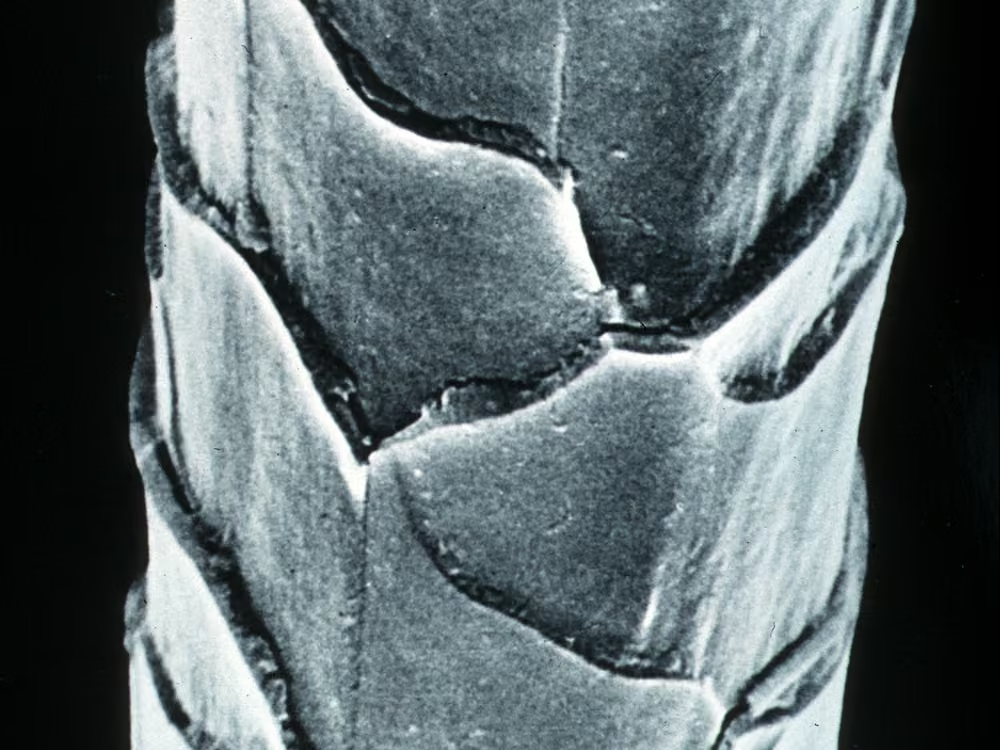
- How It Works: Woven into a thick, lofty 3D mesh from hydrophobic polypropylene (which has extremely low thermal conductivity and absorbs almost no water), Drynamic Mesh pulls sweat off your skin and transfers it into the base layer worn on top, while the physical thickness of the mesh holds the damp base layer away from your skin.

First-Hand Impressions from the Trail: I use both the Millet Drynamic Mesh top and the matching boxer briefs on my own hikes. The difference is immediately noticeable the moment you stop for a break after a steep, sweaty climb: even when your outer shirt is damp with sweat, your skin stays dry and you don't get that clammy, shivering chill when the ridge wind hits. The open net look is bold in a changing room, and it leaves a faint waffle pattern on your skin if worn tightly, but in terms of pure sweat-chill prevention, it has become gear I never leave behind.

finetrack — Drylayer Basic (ドライレイヤーベーシック)
- Material: 100% Polyester (with durable water-repellent treatment)
- How It Works: Developed by Japanese outdoor brand finetrack, Drylayer uses a thin, smooth water-repellent mesh that lets sweat pass straight through to the base layer above while blocking moisture from returning to the skin. If you dislike the thick net texture of Millet Drynamic Mesh, finetrack Drylayer Basic feels much closer to a normal thin undershirt.
2. All-Round Synthetic Base Layers
Montbell — Zeo-Line (ジオライン) Series
- Material: 100% Zeo-Line Polyester
- Official Prices (tax incl., Men's Round Neck / T-Shirt):
- Zeo-Line L.W. (Light Weight) T-Shirt Men's (
#1107736): 3,080 yen - Zeo-Line L.W. (Light Weight) Round Neck Shirt Men's (
#1107732, 120 g): 3,740 yen - Zeo-Line M.W. (Middle Weight) Round Neck Shirt Men's (
#1107704, 159 g): 4,730 yen
- Zeo-Line L.W. (Light Weight) T-Shirt Men's (
- Overview: Montbell's flagship synthetic underwear line, available in three weights: L.W. (Light Weight) for spring-to-autumn and year-round layering, M.W. (Middle Weight) for autumn-to-spring cold weather, and EXP. (Expedition) for winter mountaineering. At around 3,000 to 4,700 yen in Montbell stores across Japan, it is the easiest and most cost-effective first base layer for beginners.
Patagonia — Capilene Cool Daily
- Material: Recycled Polyester
- Overview: Silky, fast-drying, and cut like a relaxed athletic T-shirt or long-sleeve top, making it comfortable to wear all the way from the train ride to the trail and into a post-hike café.
Care & Washing Tips to Keep Base Layers Working
- Never use fabric softener (柔軟剤): As Montbell and finetrack explicitly warn in their care instructions, fabric softeners coat fibers with a waxy film that clogs capillary wicking channels on base layers and ruins the water-repellent treatment on dry layers.
- Use a laundry net: Put mesh skin layers and merino wool shirts inside a laundry bag to prevent snags from zippers or Velcro.
- Wash merino wool on a gentle cycle in cold or lukewarm water: Avoid tumble dryers, which can shrink wool fibers.
References
- Montbell Official Online Store — Zeo-Line L.W. Round Neck Shirt Men's (#1107732)
- Montbell Official Online Store — Zeo-Line M.W. Round Neck Shirt Men's (#1107704)
- Millet Japan Official Store — Drynamic Mesh NS Crew (MIV01248)
- Millet Japan Official Store — Drynamic Mesh Short Sleeve (MIV01566)
- Millet Japan Official Store — Drynamic Mesh 3/4 Sleeve (MIV01356)
- finetrack Official Site — What Is Drylayer?
- finetrack Official Site — First-Time Drylayer Guide
- Patagonia Japan — Men's Capilene Cool Daily
- Uniqlo — About HEATTECH Technology
- Nagano Prefecture — Autumn Mountain Safety Leaflet (PDF)