Photo: Qwert1234, CC BY-SA 4.0, via Wikimedia Commons
When Can You Hike Nikko and Oku-Nikko? Best Seasons, Clothing, Access, and Safety Guide
When do the trails in Nikko and Oku-Nikko open for snow-free hiking? A practical guide comparing flatland marsh walks like Senjogahara and Odashirogahara with 2,000-meter peaks like Mt. Nantai and Mt. Nikko-Shirane, plus clothing, bus access, and bear precautions.
When travelers talk about "hiking in Nikko," they are usually referring to one of two very different types of terrain within Nikko National Park:
- Flatland wetland and lakeside boardwalk trails in Oku-Nikko (around 1,300 to 1,400 m in elevation), such as Senjogahara Marsh (戦場ヶ原) and Odashirogahara (小田代原).
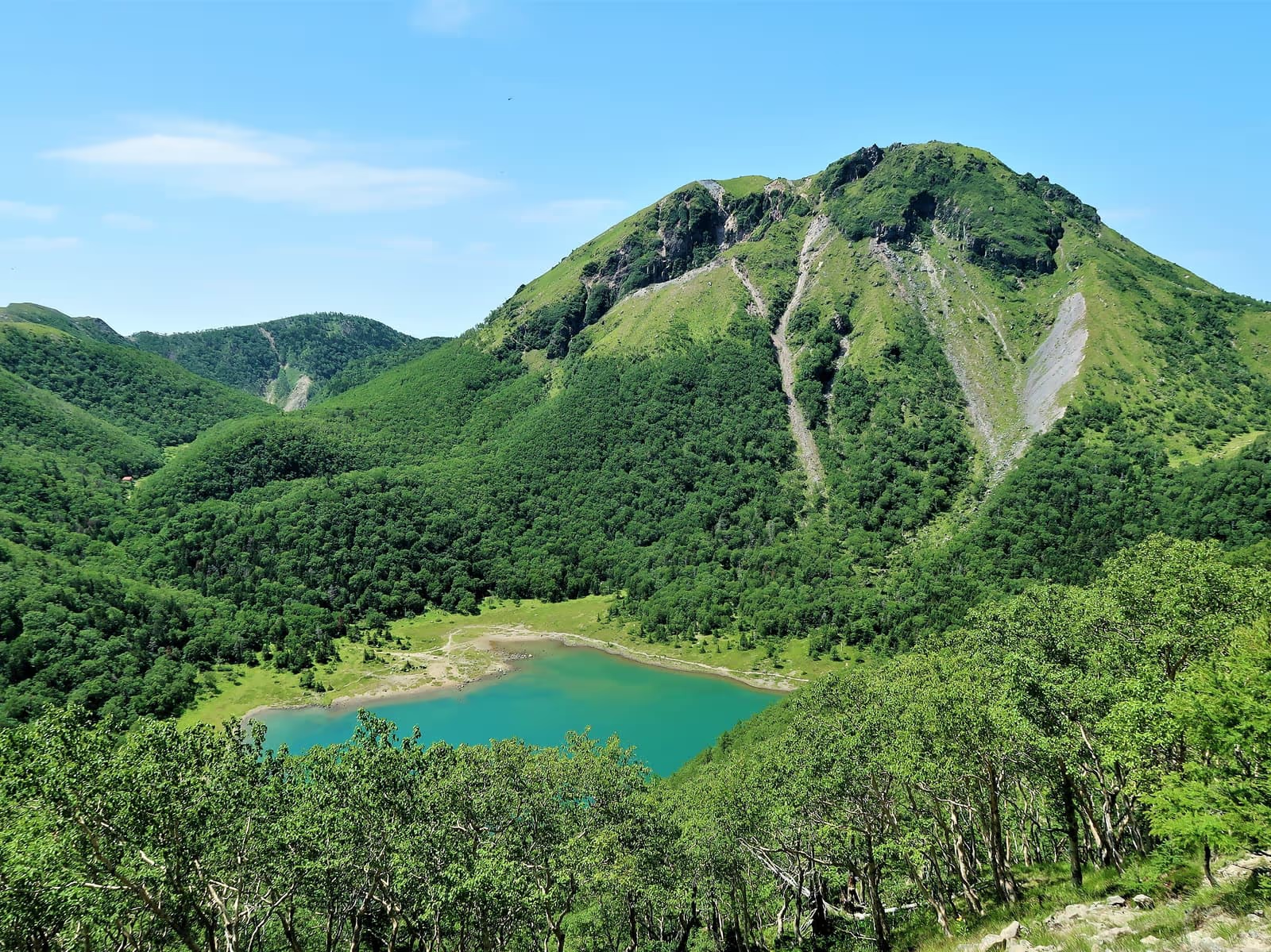
- Full-scale 2,000-meter mountain climbs, such as Mt. Nantai (男体山, 2,486 m) and Mt. Nikko-Shirane (日光白根山, 2,578 m).
Because there is a 1,000-meter elevation difference between the Oku-Nikko marshes and the surrounding volcanic peaks, the snow-free hiking season starts at very different times depending on your destination. This guide explains when each area opens from spring through autumn, how to dress for Oku-Nikko's cool highland climate, how to reach the trailheads by public bus or car, and what safety precautions to take.
Best Seasons by Area: Wetlands vs. 2,000-Meter Peaks
Even in late April, the Nikko City Tourism Association notes that snow can fall in Oku-Nikko and that daytime temperatures frequently stay cold. Choosing the right month for your target trail is the first step in planning a trip.
| Area / Trail | Elevation | Snow-Free Walking Season | Key Seasonal Notes |
|---|---|---|---|
| Senjogahara & Odashirogahara (Boardwalk hikes) | Approx. 1,400 m | Late April – November | The Oku-Nikko Low-Emission Bus runs from late April through November 30 (from April 25 in 2026). Residual snow and mud can linger on shaded boardwalks in April and early May. |
| Kirifuri Highlands / Kisuge-daira | Approx. 1,345 – 1,600 m | Late April – November | The 1,445-step staircase up to Komaruyama Observation Deck is snow-free earlier than the high peaks; azaleas bloom in May and Nikko-kisuge daylilies in June–July. |
| Mt. Nantai (男体山) | 2,486 m | April 25 – November 11 | Regulated by Futarasan Shrine Chugushi. Climbing is prohibited outside the official season (April 25–November 11); reception at Chugushi is 6:00–12:00 (1,000 yen entry fee). Early May still has ice and snow near the summit. |
| Mt. Nikko-Shirane (日光白根山) | 2,578 m | Late May / June – Mid-October (Summer trail season) | The highest peak in northern Kanto. Significant lingering snow remains through May; snow-free summer hiking is best from mid-June to early October before first snowfalls. |
Oku-Nikko Wetland Hikes: Senjogahara and Odashirogahara

Senjogahara Nature Trail (Akanuma to Yutaki Falls)
- Distance & Walking Time: Approx. 5 km (about 2 to 2.5 hours one way)
- Elevation: Around 1,400 m (mostly flat boardwalk and riverside path along the Yukawa River)
- Highlights: Registered under the Ramsar Convention, Senjogahara offers open views of the Nikko volcanic range (Mt. Nantai, Mt. Taro, Mt. Nyoho), spring cottongrass and azaleas, summer alpine flora, and early autumn golden larch and grasses in October.
Odashirogahara Loop & Low-Emission Bus
- Access: Private vehicles are prohibited on the forest road into Odashirogahara and Senjugahama. During the green season (April 25 to November 30 in 2026), the Oku-Nikko Low-Emission Bus (低公害バス) connects Akanuma (赤沼) with Odashirogahara (小田代原) and Senjugahama (千手ヶ浜).
- Bus Fare: 500 yen for adults, 250 yen for children (one-way flat fare per ride).
- Akanuma Natural Information Center (赤沼自然情報センター): Open from late April through November 30 (closed Mondays in April; open daily May–November). It provides real-time boardwalk condition maps, flower bloom updates, and bear sighting notices right at the Akanuma trailhead.

2,000-Meter Mountain Climbs: Mt. Nantai & Mt. Nikko-Shirane
If you plan to climb Nikko's major peaks rather than walk the marshes, check our dedicated mountain guides for full route details:
- Mt. Nantai Hiking Guide: The sacred 2,486 m volcano rising directly above Lake Chuzenji. The Chugushi route gains about 1,200 meters over 4.5 km in a steep, unrelenting climb (6 hours 30 minutes round trip). Open April 25 to November 11; registration at Futarasan Shrine Chugushi is 6:00–12:00 (1,000 yen fee).
- Mt. Nikko-Shirane Hiking Guide: At 2,578 m, the highest peak in the Kanto region. Using the Nikko-Shirane Ropeway from Marunuma Kogen in Gunma Prefecture lifts you to 2,000 m, leaving a 5.5-hour loop hike (approx. 630 m gain), while the Yumoto Onsen route on the Tochigi side is a demanding 8-hour climb with nearly 1,100 m of elevation gain.
Clothing and Layering for Oku-Nikko
Even Senjogahara and Lake Chuzenji sit at 1,270 to 1,400 meters above sea level—roughly 8 to 9°C cooler than downtown Tokyo. On the summits of Mt. Nantai and Mt. Nikko-Shirane (around 2,500 m), temperatures are roughly 15°C lower than at sea level, and strong winds across the exposed ridges rapidly chill sweaty clothing.
- Spring (Late April – May): Bring a warm insulating layer (fleece or light down jacket), windproof/waterproof outer shell, gloves, and a warm hat even for marsh walks. Snow can still fall in Oku-Nikko through late April, and mornings frequently drop below freezing.
- Summer (June – August): Comfortable for walking in a quick-drying long-sleeve shirt, but always pack a waterproof rain suit (jacket and pants) and a light fleece for sudden afternoon thunderstorms or cool highland winds.
- Autumn (September – November): Autumn foliage arrives early in Oku-Nikko (starting at Ryuzu Falls and Senjogahara in early to mid-October). By late October and November, pack winter-weight insulation, gloves, and warm base layers.
- Footwear: Waterproof trekking shoes or light hiking boots are recommended even for Senjogahara and Odashirogahara, as sections outside the wooden boardwalks can be muddy after rain or snowmelt.
Access to Oku-Nikko
By Train and Bus
- To JR Nikko Station / Tobu-Nikko Station: Take the Tobu Limited Express (such as Spacia X or Kegon) from Asakusa Station in Tokyo (approx. 1 hour 50 minutes), or take the JR Tohoku Shinkansen to Utsunomiya and transfer to the JR Nikko Line.
- From Nikko Station to Oku-Nikko (Tobu Bus Nikko): Take the regular bus bound for Yumoto Onsen (湯元温泉) from JR Nikko Station or Tobu-Nikko Station:
- Futarasan-jinja Chugushi (二荒山神社中宮祠) (for Mt. Nantai): approx. 55 minutes
- Akanuma (赤沼) (for Senjogahara, Odashirogahara, and the Low-Emission Bus): approx. 70 minutes
- Yumoto Onsen (湯元温泉) (for Yuno-ko Lake and the Yumoto trailhead of Mt. Nikko-Shirane): approx. 80 minutes
By Car
- From the Nikko-Utsunomiya Road Kiyotaki IC (清滝IC), drive up the Irohazaka Winding Road (いろは坂) for about 25 minutes to Chuzenji / Futarasan Shrine Chugushi, or about 35 minutes to Akanuma Paid Parking Lot (赤沼駐車場).
- Note on Akanuma Paid Parking: As listed on the Nikko Natural Science Museum and Nikko Tourism pages, the Akanuma parking lot charges a daily fee, and the billing date switches at 4:00 AM (vehicles parked across 4:00 AM are charged for two days).
- Winter Tires in Spring & Late Autumn: Because snowfall is possible in Oku-Nikko until late April and resumes in November, winter tires or chains are recommended when driving Irohazaka and Konsei Pass in early spring or late autumn.
Bear Precautions and Trail Rules
Nikko City and the Nikko Yumoto Visitor Center emphasize that almost all of Nikko—including Senjogahara, Odashirogahara, and Kotoku Marsh—is Asian black bear (ツキノワグマ) habitat, with bear activity peaking from April through October.
- Carry a bear bell or radio: Make your presence known while walking, especially in early morning, late afternoon, or when fog and stream noise reduce visibility and sound.
- Check recent sighting maps: Check the bear sighting board at Akanuma Natural Information Center or the Nikko Yumoto Visitor Center before setting out.
- Take all trash and food scraps home: Never leave food wrappers or fruit peels on the trail, as they attract bears to boardwalk areas.
- Boardwalk etiquette: Walk single file on narrow boardwalks, yield to oncoming hikers, and use rubber tips on trekking poles so metal tips do not damage the wooden planks.
References
- Nikko City Tourism Association (Nikko Tabi-Navi) — Spring Travel FAQ
- Nikko City Tourism Association — Senjogahara Hiking & Birdwatching Guide
- Nikko City Tourism Association — Akanuma Natural Information Center
- Nikko City Tourism Association — Oku-Nikko Low-Emission Bus
- Nikko City Tourism Association — Mt. Nantai
- Nikko Natural Science Museum — Low-Emission Bus Timetable & Fares
- Nikko Natural Science Museum — Access & Paid Parking Information
- Ministry of the Environment — Nikko Yumoto Visitor Center Hiking Courses
- Nikko Yumoto Visitor Center — Bear Information in Oku-Nikko
- Nikko City Official Website — How to Avoid Bear Encounters
- Ministry of the Environment — Nikko National Park